Sculpting Light

We've practiced analyzing and controlling natural light–
now let's take a closer look at how we we can analyze and sculpt light in the studio.
Quick Review:
 |  |
Direction: Where is the light coming from? | Intensity: How bright or dim is it? |
 |  |
Quality: How soft or hard is it? | Temperature: What color is it? |
When working with natural light, how can 'control' our light?
(Direction, Intensity, Quality, Temp?)
As we saw last class, we have total control over where we place our lights in the studio.
(This is our first crucial step in sculpting light.)

When would you want flat lighting?
(Hint: Look in your wallet.)
What about Rembrandt lighting?

Split lighting?

We also have additional methods to sculpt our light, through the use of modifiers!
So far, we've used two types of light modifiers:


Let's analyze these images.
What are the key visual differences here?
Knowing what sort of effects these modifiers have on your subject will allow us to make informed decisions about our lighting set ups.
(Remember this?)


More Modifiers!
Did you know?
There are...modifiers for our modifiers??
(...Huh?)
Yes! There are 'attachments' that we can add to our modifiers to further shape our light!
Here are some other hard light modifiers...


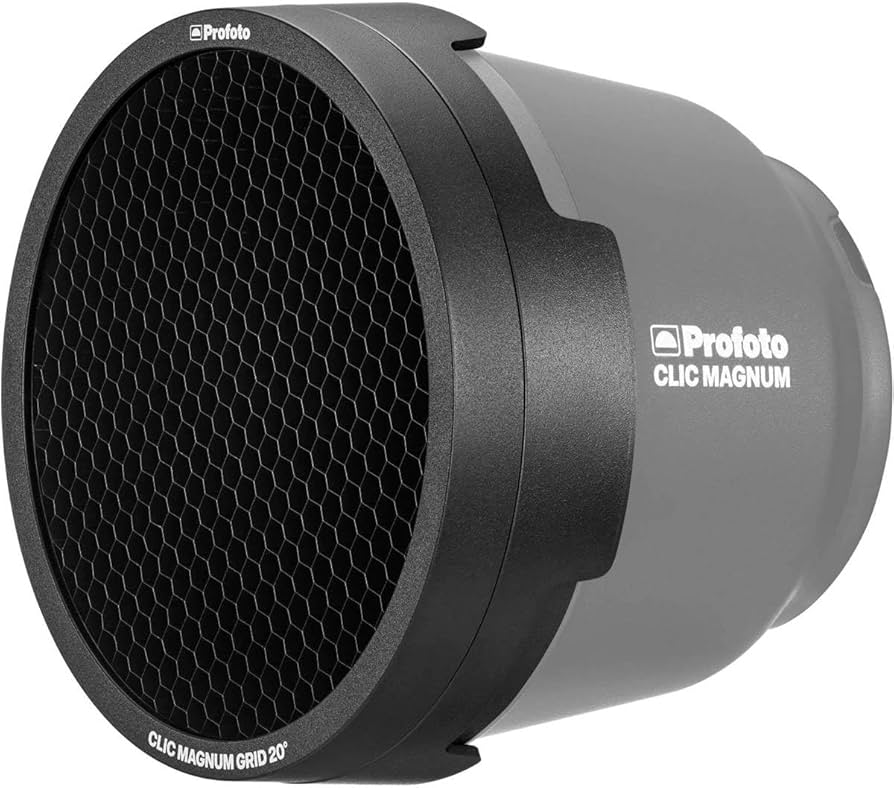
Soft boxes also have modifiers to further shape light.

Soft Lights also come in a huge variety of shapes and sizes...
Each one of these shapes will have a different effect on your subject.

Let's Practice 'Reading' Photos
Now–today we'll be practicing our ability to analyze light by looking closely.

Can you tell the shape of the soft box between these two photos?
(Hint: look at the reflections...)

Let's practice together:


(We'll do more for your warm-up 4.)