- Dani Kwan

- Feb 25
- 5 min read

Skkrrtttt! Warning: Whiplash!
Fashion Photography
For our next project, we're making a sharp turn from the natural world to the world of fashion to create our own fashion photography campaign!

Just so we're on the same page, fashion photography is a genre of photography that portrays clothing and other fashion items such as bags, make-up, and accessories.

Fashion photography combines product photography, portraiture, and fine art photography to create a compelling blend of fine art and commercial art.
Before we get into the details...let's talk a little about the history of fashion photography...

The roots of fashion photography are found in both Victorian society portraiture and Fashion Illustration Magazines where people would stay up to date on the latest styles.

From as early as the 1840s, debutantes, actresses and dancers posed in their finery for portrait photographers, just as their mothers had sat for the great portrait painters of their day.


With the age of mechanical reproduction, fashion photography moved beyond small-scale elite client work to circulate widely–In the early 1900s came the fashion publications Vogue and Harpers Bazaar–which shifted the landscape of fashion photography into one of glamour and fine art.
Purpose of fashion photography

Fashion photography is most often used in advertisements or fashion magazines and it has a significant impact on society...both reflecting and influencing our perceptions of beauty, style, and identity.
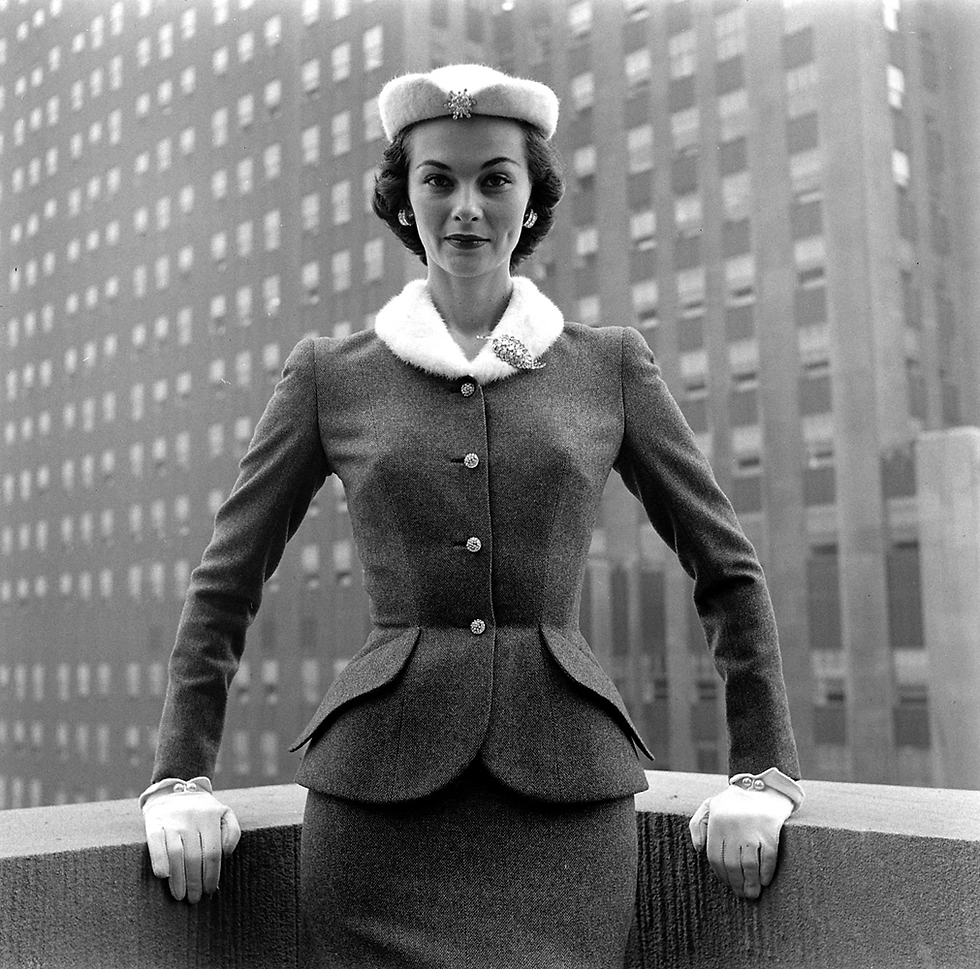 |  |
In the 1960s, with the feminist movement against inequality, the structured and constricting garments of 1950s fashion gave way to a more youthful and liberated form–this idea was also expressed in photography.

While we often associate the 70s with bell bottoms and free spirited folks, the decade brought about an amazing variety of styles and a new sense of individuality in how people made, style, and purchase their clothes – more on that here.
 |  |

As the economies of the United States, Great Britain, and Japan boomed, expensive clothing and accessories became a display of wealth. At the same time, fashion designers were rethinking the conception of gender. They reimagined the athletic female body as a blank slate on which to project looks that communicated independence and power.
 |  |

Since the 1980s, companies have recognized that what they were producing and selling were not just products but brands, ideas, and messages...While fashion photography aims to sell a fashion designer's work (clothes, accessories)–it also 'sells' attitudes, culture, and aesthetics to name a few...
 |  |
This style of advertising dominated in the 90s and early 2000s...

Lastly, the 2010s ushered in an era of contrast with photographers working in reality and fantasy...


Whether as fashion shoots or advertisements, fashion photography reflects contemporary culture, world events, and the dramatic shifts in gender roles and identity throughout the 20th/21st centuries.

Styles of fashion photography
There are quite a few 'styles' of fashion photography–but we can break them down into four main categories including: Catalog, High Fashion, Street Fashion, and Editorial.

Catalog photography is the simplest of the 4 fashion photography styles. Shot on a minimal background with flat lighting, its purpose is to sell clothing, and the focus is on the outfit.

High fashion photography is the notorious, elegant subgenre that people first think of when they hear “fashion photography”. High fashion usually uses well-known supermodels in exaggerated poses, a sometimes unrealistic wardrobe, and all elements including hairstyles and location blended to create a flawless image.

Street fashion, also known as urban fashion, is often thought of as the opposite of high fashion–often showcasing what people are wearing in urban areas. Street fashion isn’t just about what the person is wearing; it’s also about their expression, how confident they look, the light, and how their clothes accent their attitude.
 |  |  |
Editorial fashion photography tells a story. You’ll often find editorial fashion images that are part of a theme or concept or may relate to a particular designer or model. The goal here is to create a specific mood that tells the story.
Editorial fashion photography is typically presented as a series of images to showcase a new collection or to be paired with a written article in the publication.
Story / Theme Examples:
Project 2:
The Fashion Campaign
Objective
Create a comprehensive fashion photography campaign showcasing 3 'looks' you will assemble.
Details
This project is multi-faceted!
You will be creating photos in 2 styles we've introduced today, including catalog-style photos and an Editorial Series.
Make sure you come to class prepared to work!
We have a tight schedule, which means you need to make sure you have all of your photoshoot items ready to work with before class starts!
I will let you know what you need before each class meeting.
You will work in groups!
Collaboration and equal division of work are extremely important for this project! Rely on each other and bring your unique skills to the table.
Specs
You must use 3 different outfits that are related to each other with a unified 'theme'. For example: western wear, 80s grunge, or camp-chic.
Tip: Use what you have, can source from friends and family, and find for cheap at thrift stores!
We'll go over these step by step, but your campaign will include:
Catalog style photos, showcasing your 3 outfits (3 photos)
Editorial Series, telling the story of your 3-outfit collection (3 or more photos)
To-Do List
(Due Next Class)
Form your groups
Decide on your theme
Create a mood board presentation (Google Slides) to pitch to the class your theme, inspirations, and ideas (Tip: Look at the magazine section in the library or a bookstore.)
Call for models! Ask your friends...
Look at the following artists working in this genre:
Contemporary Fashion/Commercial Photographers:
David LaChapelle
Tim Walker
Ellen Von Unwerth
Lindsay Adler
Additional Inspiration: